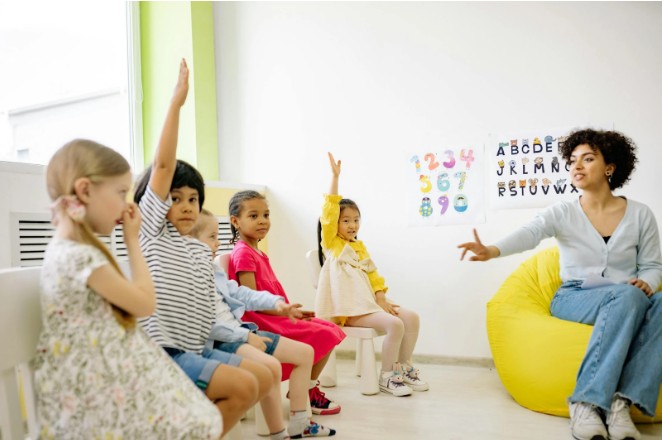
Those first few years of schooling are going to shape a child’s life. Many parents in Australia ask the question: Is kindergarten mandatory for kids? The answer has a lot to do with understanding early education deeply for making future decisions for the child.
Let’s examine whether kindergarten is compulsory in Australia, the advantages of attending kindergarten, and ways in which attending kindergarten can influence a child’s journey in learning.
1. Is Kindergarten Mandatory in Australia?
There is no federal law mandating Kindergarten in all states of Australia. However, participation is highly encouraged in the early childhood education programs, in each state and territory. These programs can help young kids transition into formal schooling and learn the important social and cognitive skills.
In most Australian states, kids are automatically enrolled for kindergarten a year younger than they are supposed to start primary (around four years old). It is voluntary to enrol, however many parents do so because of the long-term benefits of kindergarten.
2. Why is Kindergarten Essential for Your Child?
Even without being compulsory, the kindergarten stage is one of the key factors in the development of a child’s early life. Here are the reasons:
- Preparation for School: Kindergarten connects the children’s home with the school. They are able to adjust to the rigid academic environment. This will, in turn, smoothen the process of the primary school transition.
- Emotional and Social Development: During kindergarten, the children can interact directly with their peers. They also acquire valuable life lessons like sharing, teamwork and conflict resolution. The takeaways they gain from that process will, in turn, help them build emotional resilience and self-confidence.
- Cognitive Growth: Early education programs emphasise competencies in literacy, numeracy, problem-solving, and critical thinking skill development. This groundwork in academic concepts is the beginning of a child’s achievement in further learning.
- Routine Independence: During kindergarten, kids become accustomed to following schedules and, at the same time, pave the way for their independence. Simple activities, such as being able to pack a bag or keep to a timetable, teach children the skills of respect and responsibility in life.
3. How Does Kindergarten Work Across Australia?
The regulations for kindergarten programs are different across Australia by each state and territory. All aim for quality early education, but matters concerning structure and funding may vary.
Here is a quick reference to all these:
- Victoria: In Victoria, free to low-cost early education is available to children aged four in kindergarten, with about fifteen hours of attendance each week. There are many local accessible programs available to families living in the suburbs, like Truganina kindergarten, as they provide holistic development for children.
- New South Wales: Preschool education is play-based and offered in New South Wales for three- and four-year-olds.
- Queensland: Kindergarten programs for four-year-olds are offered by Queensland at approved centres, with subsidies available to eligible families.
- Western Australia: Kindergarten for four-year-olds are offered mainly in schools in Western Australia.
- Other States and Territories: Other states and territories have comparable programs tailored to local needs, for example, in South Australia, Tasmania, the Northern Territory, and the ACT.
4. What If You Decide Not to Send Your Child to Kindergarten?
Although optional, kindergarten could be something children do not want to lose, since it will also bring rich early learning experiences with it. Yet, families can also support at home. Toddlers develop foundational abilities through joint reading sessions and creative play, while also participating in community programs.
Choosing to skip kindergarten enrolment for your child means you must develop their school preparedness through alternative methods to build their social, emotional, and academic skills.
While choosing kindergarten for your child, choose local ones in which you will be comfortable and it will suit you and family. Remember, you want to give your child a good start in school.